You need a ton of backlinks to get top spots in search results, right?
Not with topical authority.
Topical authority can help your blog get indexed faster, rank higher, and make you more money.
In this guide, I’ll show you exactly how topical authority can benefit your blog and how to build it.
What Is Topical Authority?
Do you know the key to dominating your niche with SEO without buying hundreds of backlinks? It’s topical authority.
Topical authority is how search engines like Google measure your expertise in a specific niche based on the content of your website.
Websites with higher topical authority are more likely to rank well because search engines view them as reliable sources of information in their niche.
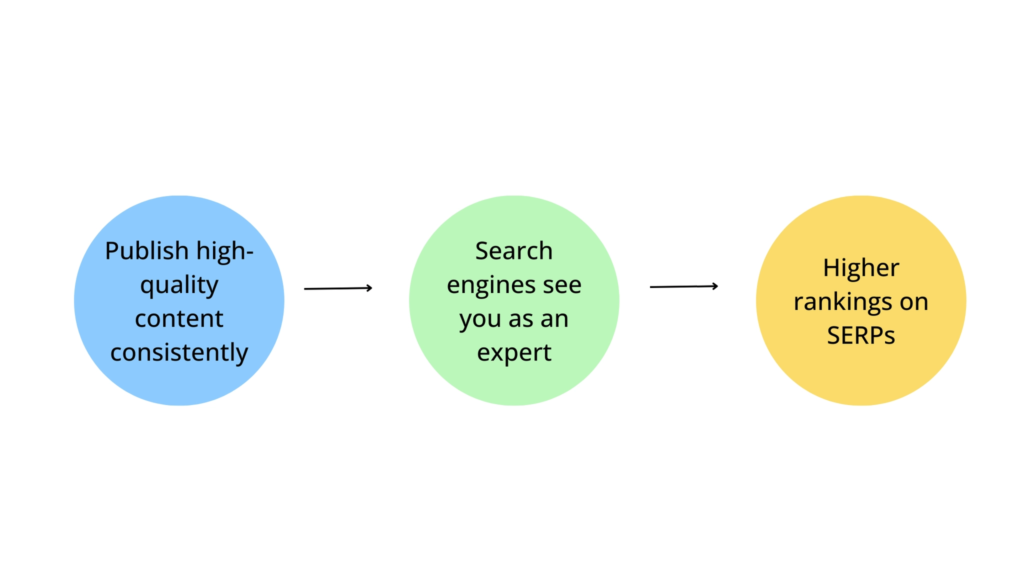
In other words, if you consistently produce high-quality content on a specific topic, search engines will see you as an expert and reward you with higher rankings.
Topical authority isn’t just about writing quality content; it’s about quantity.
You have to publish a huge library of content about your topic before your site starts seeing SEO gains.
It may sound like a lot of work, but achieving topical authority will not only help your SEO, but make you more money, too.
Why Your Website Can Seriously Benefit From Topical Authority
Google Will Index Your Site Faster
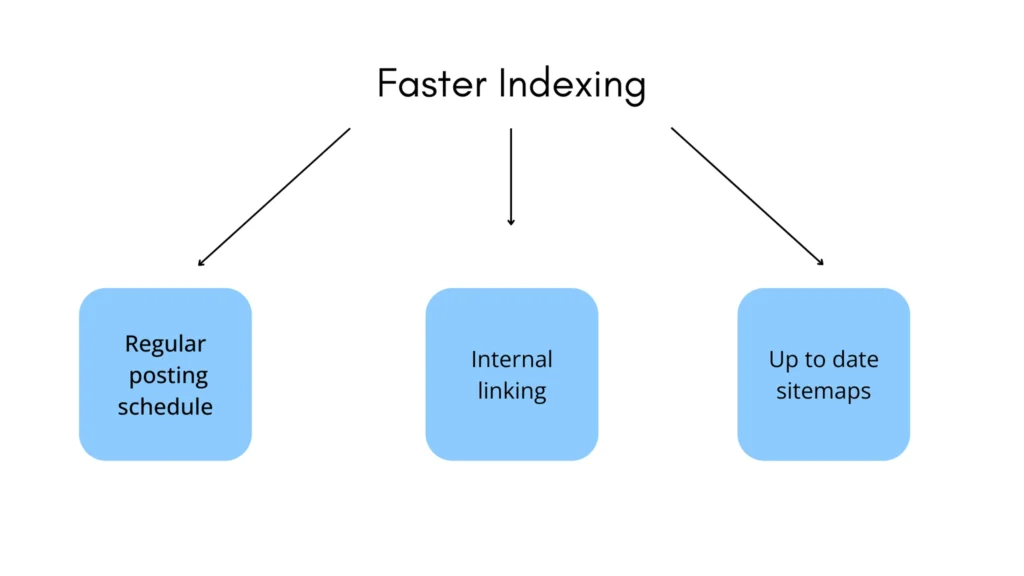
One of the biggest benefits of growing your site’s topical authority is faster indexing from search engines.
“Indexing” just means that search engines recognize your content and it’s now part of their search algorithm and can discovered by people.
There’s no way to guarantee how quickly search engines will start ranking your content, so anything you can do to speed it up is valuable.
However, when your site is seen as a reputable source of information on a specific topic, search engines are more eager to crawl and index your content.
Why does this happen?
Search engines prioritize sites with a proven track record of high-quality, relevant content. They know these sites are more likely to provide valuable answers to users’ queries, so they fast-track their content to the top of search results.
You’ll Be Able To Rank Higher More Quickly
Once search engines see your site as a valuable source of information, they’ll rank your content higher more quickly.
If Google doesn’t understand what your site is about, it’ll be harder for them to know how valuable your content is and therefore they won’t rank new content as high.
If they see your site as an authority on a particular topic, you’ll rank higher for posts on that topic.
For instance, a couple of years ago, I helped a post about Instagram on a new site rank within the top 5 search engine results within two months of posting.
Was it the quality of the content itself? Maybe.
But the main way a piece of content on a site that didn’t have a lot of external sites linking to it ranked so high so quickly is that the website had a ton of other content about Instagram already.
Therefore, Google saw the site as a helpful resource on topics related to Instagram, so that helped my post rank high in the results more quickly.
It’ll Help You Rank Without Lots of Links
Most SEOs (search engine optimization specialists) will tell you that there’s absolutely no way to rank high without a ton of other sites linking to your site.
This is simply not true.
With topical authority, you can speed up the process it takes for Google to understand what your website is about. When the algorithm sees what your core topics are and that you’re an authority in those topics, it’ll be more likely to rank you higher even without lots of links.
This makes topical authority a valuable way to save money you might’ve spent buying thousands of dollars worth of links.
Does building topical authority take more time? Yes.
But you’ll save money overall and waste less time on outreach to websites that might not link to you anyway.
You’ll Position Yourself As An Expert With Readers
Once you secure a bunch of top spots on Google search engine results pages (SERPs), your readers will start to notice you.
Showing up in top spots will help readers recognize your brand name.
This brand recognition will go a long way in terms of building trust with readers.
The more your readers see you as an authority in your niche, the more likely they are to buy from you in the future, whether that’s through trusting your affiliate links, buying your recommended products, or buying your own info products or services.
People are much more likely to trust a brand they’ve heard of than buy from a no-name entity they’ve seen in search once or twice.
Your Site Will Get More Traffic From Search
There’s not much you can do when it comes to making money without people visiting your site.
Luckily, building your topical authority will have major impacts on the amount of organic traffic you get from search.
Higher search engine rankings will undoubtedly increase your click-through rate.
The higher your page ranks on the SERPs, the better your CTR will be.
With more traffic to your site, you’ll gain more opportunities to convert customers, get them to click affiliate links, and convince them to buy products.
5 Steps To Achieving Topical Authority
1. Build A BIG Library Of Relevant Content
You need to be ready to write a lot of blog posts if you want topical authority to work for you.
I’m not talking 10-15; achieving topical authority requires at least 30 posts on a specific topic to be effective.
The more content you have, the more you’ll dominate search results.
Don’t skimp here; you need a solid library that covers all angles, answers every question, and provides massive value.
Dive deep into your topics, address common questions your audience is dying to know, and offer step-by-step guides and super useful tips.
Covering a topic that’s related to your service in-depth will provide you with ample internal linking opportunities that’ll move readers through your marketing funnel until they reach the decision-making phase and actually click “book now.”
You’ll not only convince search engines that you’re a topical authority in your niche; you’ll build trust with readers and potential customers who want to have confidence in their purchase.
2. Focus on EEAT
EEAT stands for Experience, Expertise, Authoritativeness, and Trustworthiness.
It’s one of the ways Google is combatting AI content by focusing on people’s personal experiences and knowledge that AI wouldn’t be able to regenerate.
People want to hear from people, not robots or faceless corporations.
With video and image content continuing to gain popularity, your written content has to step up to the plate and not be generic stuff that people could find anywhere (i. e. in the generative AI search results).
For each post you write, make sure your authors’ credentials are front and center, back up your claims with solid evidence from credible sources, and include testimonials, case studies, and reviews.
All of these things demonstrate experience, expertise, authority, and show that you’re trustworthy.
3. Build Topical Clusters Around Your Services
Your content should be its own web, with pieces that interconnect and support one another.
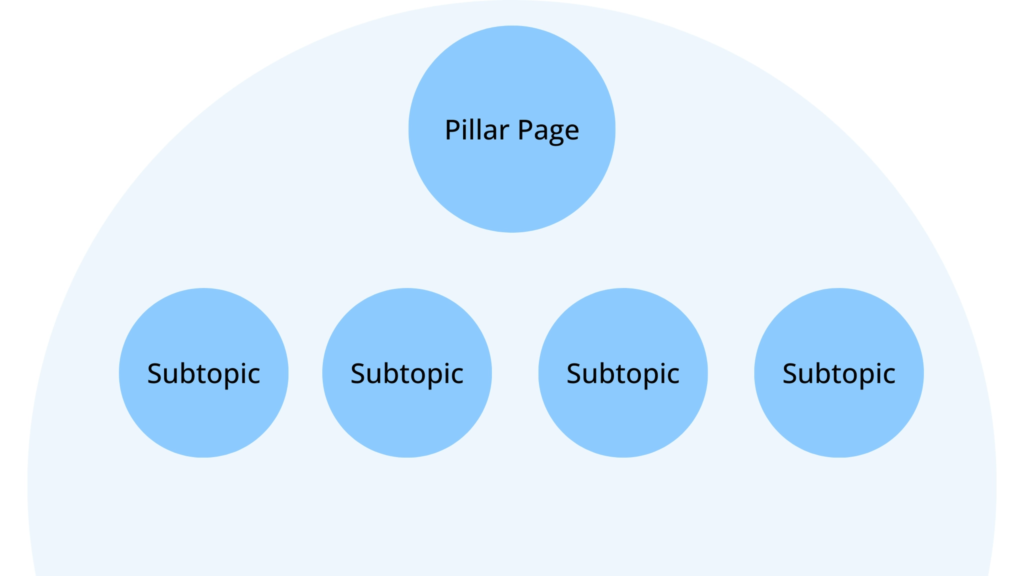
You can do this by creating topical clusters, which are groups of related content linked together through strategic internal linking.
If you’re confused about how all your content relates to each other, try starting with a pillar page.
This pillar page will be the main hub for your topic, and link out to more targeted content that moves readers through your marketing funnel.
Connect related posts to your pillar pages to help search engines understand your content structure and boost your SEO.
Make sure all your content within a cluster revolves around a central theme.
By creating these clusters, you’re building a robust structure that both search engines and readers will appreciate.
4. Plan & Write Your Content
Even if you have an established blog for your business, you can benefit from taking time to plan a content strategy.
Mapping out your content and planning every post you need to write to fully cover your topic will help keep you publishing consistently and move you closer to achieving topical authority.
If you are starting your blog from scratch, do this before you even take your website live. That way, you’ll have a backlog of posts you can frontload to your site to build your library quickly.
Planning ahead will keep you on top of your content strategy, enable you to see where gaps are in your content, and ensure you’re not always playing catch up writing your posts.
5. Connect Your Content Through Internal Linking
Internal linking is one of the most important aspects of building topical authority.
Links within your blog posts help make your site easier to use for readers, and easier for Google to crawl and understand.
Your internal links tell Google how your content relates to each other, and helps the algorithm understand what your site is about.
Using internal linking strategically will also help improve your other SEO signals, like dwell time and bounce rate.
These positive user signals will also let Google know that actual humans like your content, which in turn will help you rank higher in search.
This is why it’s so important to become the best resource possible in your niche by having everything your readers might want to know about a topic on your site.
The Key To SEO Success: Topical Authority
Topical authority can benefit websites at any stage, whether they’re brand new or already have a content library.
It’s a sustainable, more affordable way to build your site’s overall authority outside of buying links for thousands of dollars.
By building a huge library of relevant content, you’ll win with search engines and gain more opportunities to make money from your website.
Ready to get started?
Keep the steps outlined above in mind, and don’t hesitate to reach out for help with building a library of blog content.